Characteristics and type classification of rural human settlement space change from Smart Decline viewpoint: A case study of Changshu city, Jiangsu province
Received date: 2019-04-17
Request revised date: 2019-08-20
Online published: 2020-06-24
Copyright
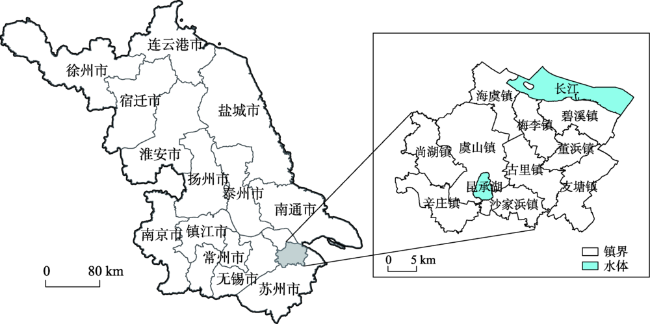
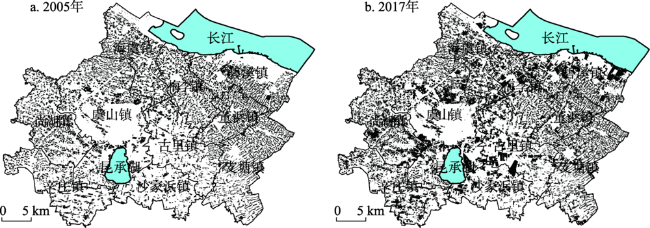
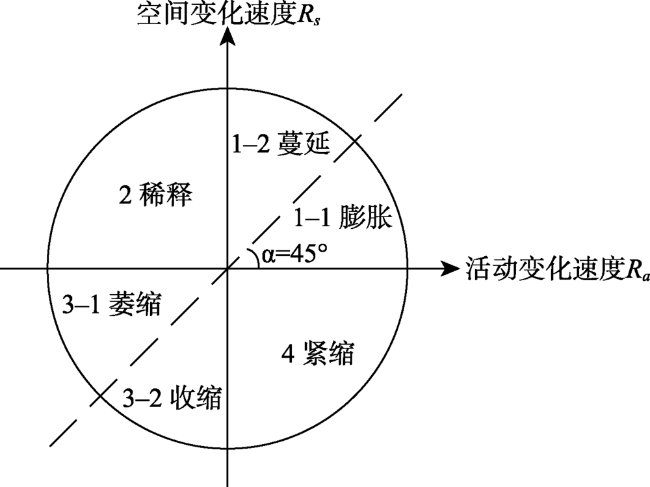
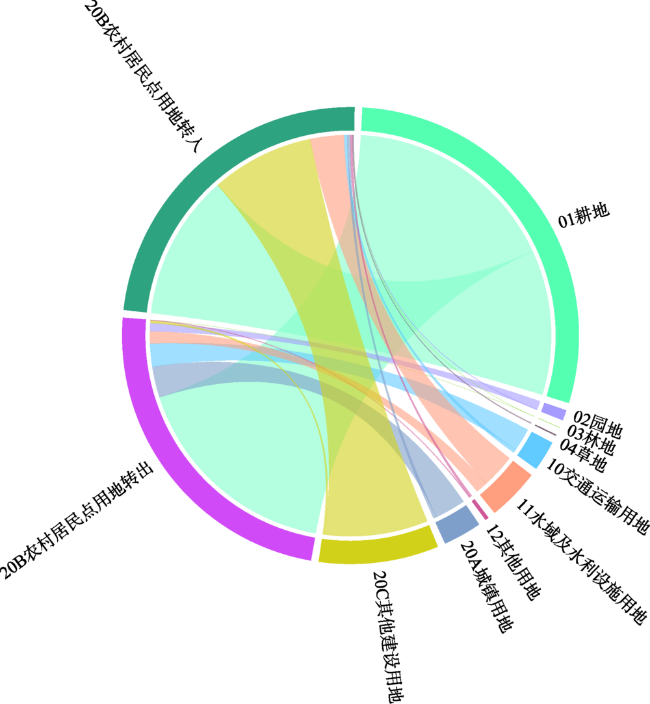
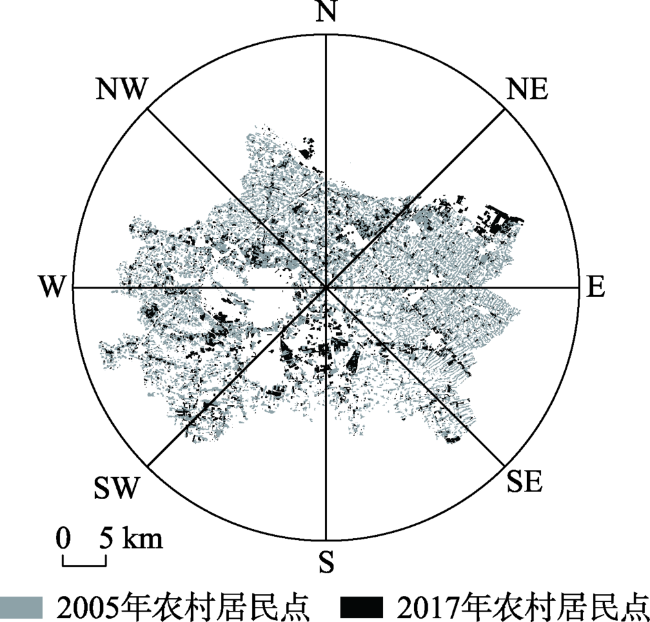
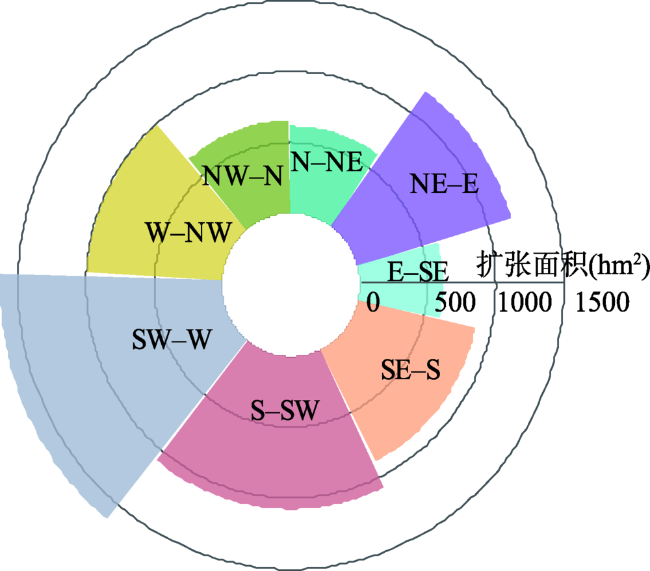
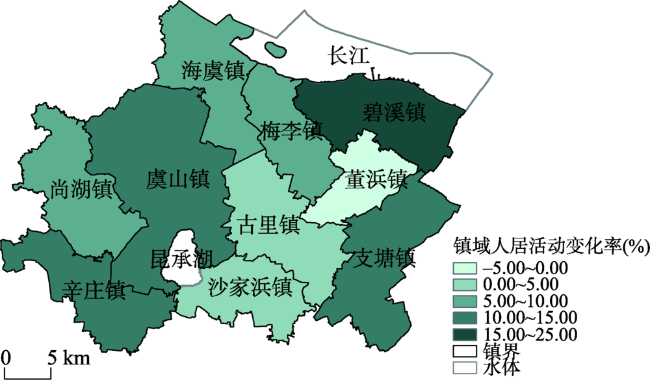
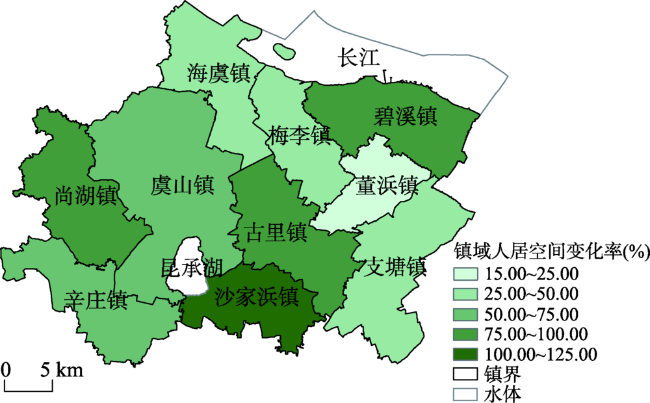
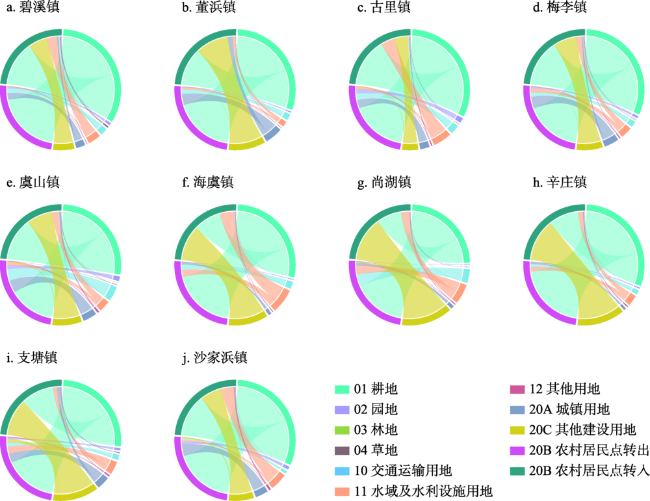
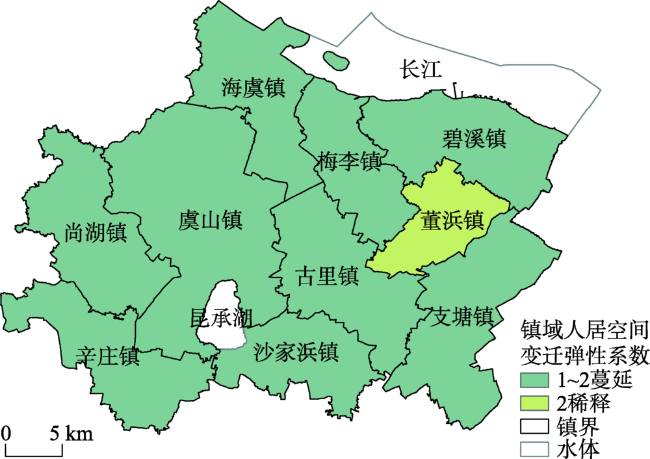
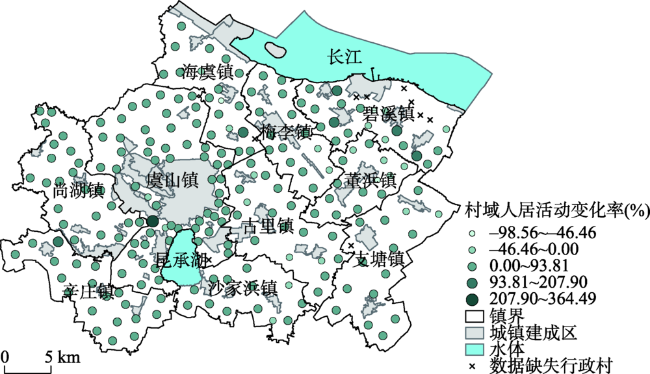
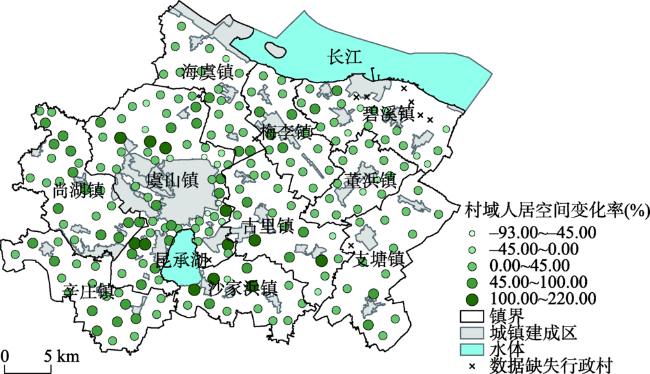
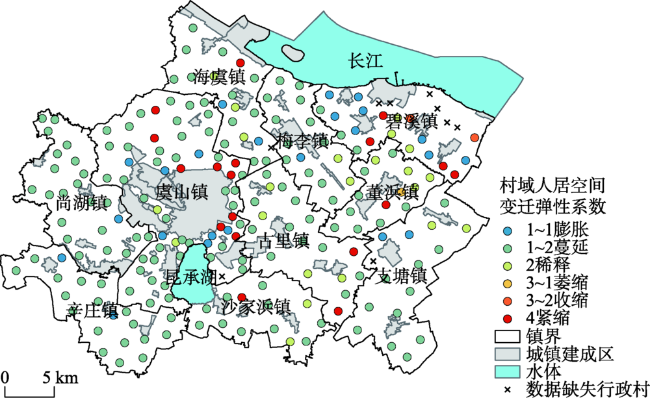
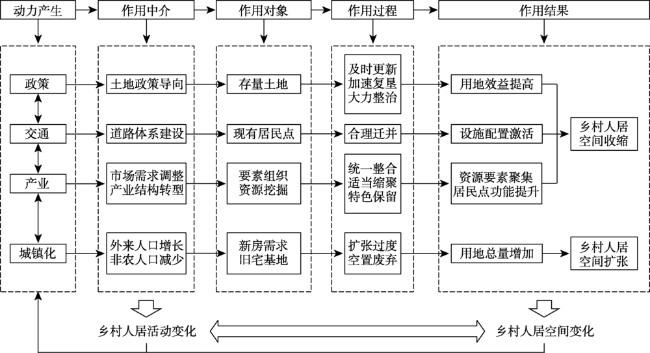
In order to adapt to the context of rural population contraction caused by urbanization, the local government has put forward a series of policies guiding rural space shrinkage development in southern Jiangsu. Based on the statistics data of rural population and the spatial vector data of rural land use in 2005 and 2017, this paper took Changshu city as the research area, then carried out a quantitative analysis of the trend of rural human settlement space change in different scales of county, town and village from four aspects, including rural population size, rural residential land use, internal structure and expansion direction. Finally, this paper identified different types and influencing factors of rural human settlement space change. Several conclusions were obtained as follows: (1) On the county scale, the rural human activity in Changshu was continually shrinking, but the rural human settlement space was expanding, especially in the south & southwest directions. Moreover, rural land use internal structure was becoming more non-agricultural, and overall state was diluted and extensive. (2) On the town & village scales, there were differences in change characteristics on different scales. Specifically, the rural human activity was in both contraction and expansion, and exhibited differently on different scales, which was more significant on the village scale. (3) The paper identified five types of changes in rural human settlements space of Changshu city, namely, urbanization oriented, industrialization oriented, transportation oriented, industrialization-transportation oriented and policy oriented, as well as explored its driving factors on a macro level. In short, the rural human settlement space change of Changshu city is driven by four factors containing urbanization, industry, transportation and policy. Also, this study could expand the multi-scale analysis method of rural Smart Decline, and even introduce a new theoretical perspective for the rural space transformation research.
LI Hongbo , LIU Meidou , HU Xiaoliang , CHEN Xiaohua . Characteristics and type classification of rural human settlement space change from Smart Decline viewpoint: A case study of Changshu city, Jiangsu province[J]. GEOGRAPHICAL RESEARCH, 2020 , 39(4) : 939 -954 . DOI: 10.11821/dlyj020190286
表1 土地利用分类转换关系表Tab. 1 Land use classification conversion relation |
| 全国土地分类(试行)国土资发[2001]255号 | 土地利用现状分类GB/T21010-2007 | 本文分类 | |||||||
|---|---|---|---|---|---|---|---|---|---|
| 11 | 耕地 | 111 | 灌溉水田 | 01 | 耕地 | 011 | 水田 | 01 | 耕地 |
| 112 | 望天田 | ||||||||
| 113 | 水浇地 | 012 | 水浇地 | ||||||
| 115 | 菜地 | ||||||||
| 114 | 旱地 | 013 | 旱地 | ||||||
| 12 | 园地 | 121 | 果园 | 02 | 园地 | 021 | 果园 | 02 | 园地 |
| 123 | 茶园 | 022 | 茶园 | ||||||
| 122 | 桑园 | 023 | 其他园地 | ||||||
| 125 | 其他园地 | ||||||||
| 13 | 林地 | 131 | 有林地 | 03 | 林地 | 031 | 有林地 | 03 | 林地 |
| 15 | 其他农 用地 | 153 | 农村道路 | 10 | 交通运输用地 | 104 | 农村道路 | 10 | 交通运输用地 |
| 154 | 坑塘水面 | 11 | 水域及水利设施用地 | 114 | 坑塘水面 | 11 | 水域及水利设施用地 | ||
| 155 | 养殖水面 | ||||||||
| 156 | 农田水利用地 | 117 | 沟渠 | ||||||
| 151 | 畜禽饲养地 | 12 | 其他用地 | 122 | 设施农用地 | 12 | 其他用地 | ||
| 152 | 设施农业用地 | ||||||||
| 158 | 晒谷场等用地 | ||||||||
| 157 | 田坎 | 123 | 田坎 | ||||||
| 26 | 交通运输用地 | 261 | 铁路用地 | 10 | 交通用地 | 101 | 铁路用地 | 10 | 交通运输用地 |
| 262 | 公路用地 | 102 | 公路用地 | ||||||
| 264 | 港口码头用地 | 106 | 港口码头用地 | ||||||
| 265 | 管道运输用地 | 107 | 管道运输用地 | ||||||
| 27 | 水利设施用地 | 272 | 水工建筑用地 | 11 | 水域及水利设施用地 | 118 | 水工建筑物用地 | 11 | 水域及水利设施用地 |
| 32 | 其他土地 | 321 | 河流水面 | 111 | 河流水面 | ||||
| 322 | 湖泊水面 | 112 | 湖泊水面 | ||||||
| 323 | 苇地 | 116 | 内陆滩涂 | ||||||
| 324 | 滩涂 | ||||||||
| 31 | 未利用土地 | 311 | 荒草地 | 04 | 草地 | 043 | 其他草地 | 04 | 草地 |
| 317 | 其他未利用土地 | ||||||||
| 316 | 裸岩沙砾地 | 12 | 其他用地 | 127 | 裸地 | 12 | 其他用地 | ||
| 20 | 居民点及独立工矿用地 | 201 | 城市 | 20 | 城镇村及工矿用地 | 201 | 城市 | 20A | 城镇用地 |
| 202 | 建制镇 | 202 | 建制镇 | ||||||
| 203 | 农村居民点 | 203 | 村庄 | 20B | 农村居民点用地 | ||||
| 204 | 独立工矿 | 204 | 采矿用地 | 20C | 其他建设用地 | ||||
| 206 | 特殊用地 | 205 | 风景名胜及 特殊用地 | ||||||
表2 常熟市乡村人居空间收缩类型Tab. 2 Shrinkage types of rural human settlement space in Changshu city |
| 镇域状态 | 村域状态 | 所属镇 | 类型 | 特征(人居活动,人居空间) | 影响因素 |
|---|---|---|---|---|---|
| 蔓延 | 蔓延膨胀为主 稀释分散其中(城镇建成区周围) | 梅李镇 | I城镇化 | (↓,↑) | 用地总量 |
| 蔓延 | 蔓延膨胀为主 稀释分散其中(城镇建成区周围) | 支塘镇 | |||
| 蔓延 | 蔓延膨胀为主 稀释分散其中(城镇建成区周围) 偶有紧缩(沿工业园区) | 虞山镇 | |||
| 蔓延 | 膨胀为主,蔓延稀释分散其中 偶有收缩紧缩(沿工业园区) | 碧溪镇 | II产业 | (↓,↓)或(↑,↓) | 资源要素 |
| 蔓延 | 蔓延为主,稀释分散其中 偶有紧缩(沿风景区) | 沙家 浜镇 | (↑,↓) | 居民点功能 | |
| 蔓延 | 蔓延稀释为主 偶有紧缩(沿交通干线) | 古里镇 | III交通 | (↑,↓) | 设施配置 |
| 稀释 | 蔓延稀释为主 偶有萎缩紧缩(沿交通干线) | 董浜镇 | |||
| 蔓延 | 蔓延稀释为主 偶有膨胀紧缩(沿工业园区、交通干线) | 海虞镇 | IV产业-交通 | (↑,↑)或(↑,↓) | 资源要素 设施配置 |
| 蔓延 | 蔓延为主 偶有膨胀(沿城镇建成区、工业园区) | 尚湖镇 | V政策 | (↑,↑) | 用地效益 |
| 蔓延 | 蔓延为主 偶有膨胀(沿城镇建成区、工业园区) | 辛庄镇 |
评审专家对本研究中多源数据处理、精明收缩理论阐释以及不同尺度乡村人居空间特征归纳等提出了客观、详实的审稿意见,特致以诚挚感谢。
| [1] |
龙花楼 . 中国乡村转型发展与土地利用. 北京: 科学出版社, 2012.
[
|
| [2] |
李玉恒, 阎佳玉, 武文豪 , 等. 世界乡村转型历程与可持续发展展望. 地理科学进展, 2018,37(5):627-635.
[
|
| [3] |
|
| [4] |
|
| [5] |
李彦群, 耿虹, 高鹏 . “精明收缩”导向下新型镇村发展模式探讨: 以武汉汪集街为例. 小城镇建设, 2018, ( 4):76-82.
[
|
| [6] |
郑小玉, 刘彦随 . 新时期中国“乡村病”的科学内涵、形成机制及调控策略. 人文地理, 2018,33(2):100-106.
[
|
| [7] |
杨忍, 刘彦随, 龙花楼 , 等. 中国乡村转型重构研究进展与展望: 逻辑主线与内容框架. 地理科学进展, 2015,34(8):1019-1030.
[
|
| [8] |
陈晓华, 张小林, 马远军 . 快速城市化背景下我国乡村的空间转型. 南京师范大学报: 自然科学版, 2008,31(1):125-129.
[
|
| [9] |
刘彦随 . 中国新时代城乡融合与乡村振兴. 地理学报, 2018,73(4):637-650.
[
|
| [10] |
龙花楼, 屠爽爽 . 论乡村重构. 地理学报, 2017,72(4):563-576.
[
|
| [11] |
赵民, 游猎, 陈晨 . 论农村人居空间的“精明收缩”导向和规划策略. 城市规划, 2015,39(7):9-18.
[
|
| [12] |
谢正伟, 李和平 . 论乡村的“精明收缩”及其实现路径. 见: 中国城市规划学会. 城乡治理与规划改革: 2014中国城市规划年会论文集(14小城镇与农村规划). 北京: 中国城市规划学会, 2014: 801-810.
[
|
| [13] |
程则全 . “精明收缩”理论导向下对乡村规划的相关探析. 见: 中国城市规划学会. 规划60年: 成就与挑战: 2016中国城市规划年会论文集(15乡村规划). 北京: 中国城市规划学会, 2016: 558-564.
[
|
| [14] |
王雨村, 王影影, 屠黄桔 . 精明收缩理论视角下苏南乡村空间发展策略. 规划师, 2017,33(1):39-44.
[
|
| [15] |
李红波, 张小林 . 城乡统筹背景的空间发展: 村落衰退与重构. 改革, 2012, ( 1):148-153.
[
|
| [16] |
罗震东, 周洋岑 . 精明收缩:乡村规划建设转型的一种认知. 乡村规划建设, 2016, ( 1):30-38.
[
|
| [17] |
章昌平, 米加宁, 黄欣卓 , 等. 收缩的挑战: 扩张型社会的终结还是调适的开始. 公共管理学报, 2018,15(4):1-16.
[
|
| [18] |
田秀琴, 高金龙, 陈雯 , 等. 乡村人口收缩背景下经济发达地区村庄用地演变: 以江苏省常熟市为例. 中国科学院大学学报, 2018,35(5):645-653.
[
|
| [19] |
|
| [20] |
|
| [21] |
|
| [22] |
|
| [23] |
|
| [24] |
黄鹤 . 精明收缩:应对城市衰退的规划策略及其在美国的实践. 城市与区域规划研究, 2011,4(3):157-168.
[
|
| [25] |
杨东峰, 殷成志 . 如何拯救收缩的城市: 英国老工业城市转型经验及启示. 国际城市规划, 2013,28(6):50-56.
[
|
| [26] |
徐博, 庞德良 . 增长与衰退: 国际城市收缩问题研究及对中国的启示. 经济学家, 2014, ( 4):5-13.
[
|
| [27] |
游猎 . 农村人居空间的“收缩”和“精明收缩”之道: 实证分析、理论解释与价值选择. 城市规划, 2018,42(2):61-69.
[
|
| [28] |
张俊杰, 叶杰, 刘巧珍 , 等. 基于“精明收缩”理论的广州城边村空间规划对策. 规划师, 2018,34(7):77-85.
[
|
| [29] |
朱琦静, 姜彦冰 . 基于精明收缩策略的严寒地区村庄空间优化方法. 见: 中国城市规划学会. 共享与品质: 2018中国城市规划年会论文集(18乡村规划). 北京: 中国城市规划学会, 2018: 903-911.
[
|
| [30] |
郭炎, 刘达, 赵宁宁 , 等. 基于精明收缩的乡村发展转型与聚落体系规划: 以武汉市为例. 城市与区域规划研究, 2018,10(1):168-186.
[
|
| [31] |
周洋岑, 罗震东, 耿磊 . 基于“精明收缩”的山地乡村居民点集聚规划: 以湖北省宜昌市龙泉镇为例. 规划师, 2016,32(6):86-91.
[
|
| [32] |
游猎, 陈晨 . 农村人居空间“精明收缩”的实践探索: 以Q市全域农村新型社区总体规划实施为例. 城市规划, 2018,42(4):113-118.
[
|
| [33] |
李智, 张小林, 李红波 , 等. 江苏典型县域城乡聚落规模体系的演化路径及驱动机制. 地理学报, 2018,73(12):128-144.
[
|
| [34] |
李红波, 吴江国, 张小林 , 等. “苏南模式”下乡村工业用地的分布特征及形成机制: 以常熟市为例. 经济地理, 2018,38(1):152-159.
[
|
| [35] |
黄伟力 . 城市分形中心与占优标度区选择. 地域研究与开发, 2016,35(5):53-59.
[
|
| [36] |
吴诚 . 苏州土地开发强度已达28%, 新增建设用地不超过45 万亩. http://suzhou.news.fang.com/2013-01-07/9321221.htm , 2013-01-07.
[
|
/
| 〈 |
|
〉 |