表演性视角下音乐节的空间生产——以太湖迷笛音乐节为例
作者简介:王曼曼(1991- ),女,湖北襄阳人,硕士,主要从事城市与区域规划、文化空间研究。E-mail:wangmm0302@163.com
收稿日期: 2016-09-16
要求修回日期: 2016-12-20
网络出版日期: 2017-02-20
基金资助
国家自然科学基金项目(41371150)
Production of the music festival space from the performative perspective: Case of Taihu Midi Music Festival, China
Received date: 2016-09-16
Request revised date: 2016-12-20
Online published: 2017-02-20
Copyright
王曼曼 , 张敏 . 表演性视角下音乐节的空间生产——以太湖迷笛音乐节为例[J]. 地理研究, 2017 , 36(2) : 294 -306 . DOI: 10.11821/dlyj201702008
:Music festival has been a cultural geographical phenomenon spreading rapidly over China in recent years. Taking the case of Midi Music Festival, the earliest and most famous music festival in China, this paper demonstrated the characteristics of the music festival, as a space, and how it is constructed. Combining the theory of the production of space and the performance theory, we established a theoretical frame of "triad spaces" to illustrate the liveness of the festival scene. They were the operation of social relations, the construction of the live performance and the internalization of the space. It is proved that the integration of the two theories to focus on the performative traits of the festival scene was necessary and useful for understanding the specific "realness" of the music festival practice, the continuous creation of the space and the transition of the triad spaces. This paper was an attempt of expanding the theory of the production of space. This innovative theoretical frame is a valuable reference to other researches of space which is dynamic, transitory and temporary. Main conclusions can be drawn as follows: (1) The spatial practice of the music festival space was dominated by the operation of the social relations, which supported the construction of the festival space and derived from it further, and the government, the organizers and the musical fans played a dominant role in this process. Representations of music festival space occurred at the very scene of the festival, including the physical space within which the operation of codes was conducted and the impromptu space generated from the performance. This demonstrated the charm of the festival scene which was both representative and performative. The representational spaces of music festival space was a continuation of the performance, having the power to reconcile the difference, to reshape the structure of the space and to resist the rules of the mainstream society, thereby sublimating the political and cultural significance of the music festival space. (2) Though its time and sites had been changing, the music festival had stable meanings—it is the "place" where musical fans search for freedom, shelter and belongings. Dynamic connections existed between each pair of the triad spaces, embodying as supporting, activating and shaping each other, which contributed significantly to the festival of being a place. It was difficult for the music festival to be embedded into local place for its independence of culture and organization. The local government had tried to connect the music festival with the local culture for place marketing, but it was not desirable.
Key words: music festival; the production of space; performance; place; place marketing; festival
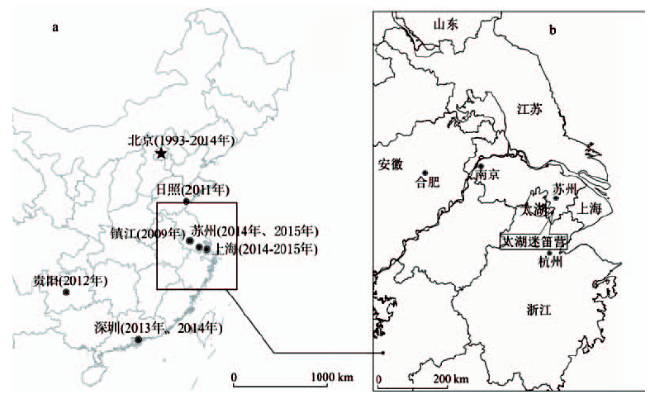
Fig. 1 The cities where Midi Music Festival has been held and the location of the Taihu Midi图1 迷笛音乐节的举办城市及太湖迷笛音乐节的位置 |
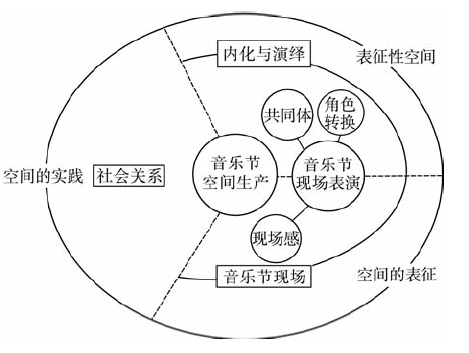
Fig. 2 The research framework图2 研究框架示图 |
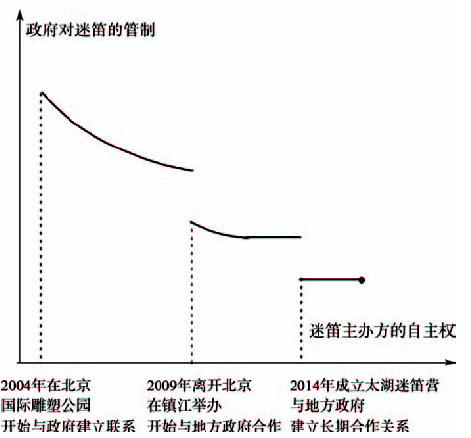
Fig. 3 The evolution of the relations between the festivalorganizers and the governments图3 迷笛主办方与政府间关系的演进过程 |
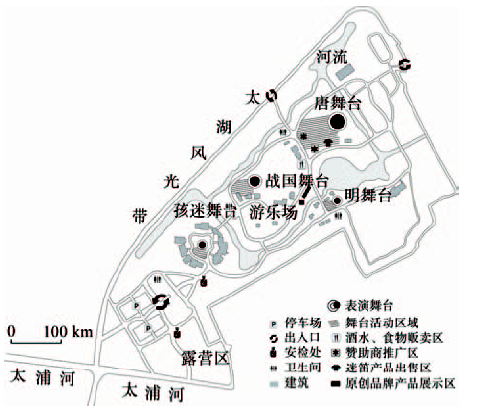
Fig. 4 The general plan figure of the Midi Music Festival site图4 迷笛音乐节举办场地平面图 |
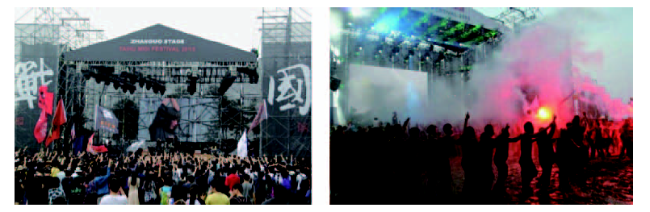
Fig. 5 The bodily performance of musical fans at the festival scene图5 音乐节现场乐迷的身体表演 |
Tab. 1 The value of different experiences of Midi Music Festival表1 迷笛音乐节不同体验的测度 |
| 音乐体验 | 节日体验 | 社会体验 | 逃离体验 | 新奇体验 | 其他 | |
|---|---|---|---|---|---|---|
| 变量 | 看到了喜欢的乐队表演 | 感受到了音乐节的氛围 | 陪伴了亲友 | 从平淡的日常生活中解脱,做一些冒险的事 | 在陌生的地方体验了新事物 | 感受到了环太湖小镇的风光 |
| 看到了不熟悉的乐队演出 | 喜欢迷笛让人振奋的环境 | 加深了亲友间的沟通与了解 | 缓解了工作/学习的压力 | 体验了迷笛音乐节的乐趣 | 野外露营的感觉很棒 | |
| 享受了现场 音乐 | 喜欢迷笛轻松自在的环境 | 结交到了新朋友 | 暂时离开了父母或朋友 | 做了我以前或平常不会做的事情 | 顺便去周边的景点游玩 | |
| 建立了我与音乐的联系 | 喜欢这种不同于平常生活的环境 | 找到了志趣相同的群体 | ||||
| 平均值 | 4.065 | 4.19 | 3.93 | 3.85 | 4.07 | 3.4 |
| 标准差 | 0.041 | 0.02 | 0.243 | 0.582 | 0.076 | 0.436 |
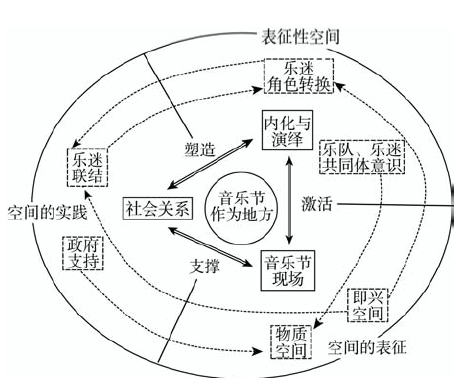
Fig. 6 The dialectical relations between the triad spaces图6 音乐节空间生产中三元空间的辩证关系 |
The authors have declared that no competing interests exist.
| [1] |
|
| [2] |
|
| [3] |
|
| [4] |
|
| [5] |
|
| [6] |
|
| [7] |
|
| [8] |
|
| [9] |
|
| [10] |
|
| [11] |
|
| [12] |
|
| [13] |
|
| [14] |
|
| [15] |
|
| [16] |
|
| [17] |
|
| [18] |
|
| [19] |
|
| [20] |
|
| [21] |
|
| [22] |
|
| [23] |
|
| [24] |
[
|
| [25] |
[
|
| [26] |
[
|
| [27] |
[
|
| [28] |
|
| [29] |
[
|
| [30] |
|
| [31] |
|
| [32] |
[
|
| [33] |
南方周末. 中国人站起来了, 干嘛必须坐着看演出: 迷笛音乐节怎么和政府打交道. , 2010-09-30.
[Southern Weekly. Why do we have to sit to watch the performance when Chinese people have arisen: How Midi Music Festival deal with the government. .]
|
| [34] |
[
|
| [35] |
|
| [36] |
|
| [37] |
|
| [38] |
|
| [39] |
[
|
| [40] |
[
|
| [41] |
[
|
/
| 〈 |
|
〉 |