基于手机信令数据的城内迁居活跃度识别方法研究——以武汉市为例
|
牛强(1978-),男,湖北武汉人,博士,教授,博士生导师,主要研究方向为大数据与城市规划。 E-mail: niuqiang@whu.edu.cn |
收稿日期: 2021-10-13
录用日期: 2022-02-15
网络出版日期: 2022-10-10
Research on the identification method of relocation activity degree in inner city based on mobile phone signaling data: A case study of Wuhan
Received date: 2021-10-13
Accepted date: 2022-02-15
Online published: 2022-10-10
中国城市的快速发展加速了城市内部人口的居住迁移,精细测度居民迁居行为及其空间分异特征,对于从人的行为视角来分析城市居住空间结构演进过程具有现实意义。本文以武汉都市发展区为例,基于手机信令大数据,提出净活跃度指标和总活跃度指标来量化描述迁居活跃度,并依据两个指标的分类及组合,将居民居住地划分为高迁入型活跃区、平稳型活跃区、高迁出型活跃区、高迁入型非活跃区、平稳型非活跃区与高迁出型非活跃区六种空间类型,进而探讨居民迁居的空间分布特征。结果表明:① 武汉都市发展区内部人口迁移总体呈现出从主城区向近郊区逐步迁移的趋势,且主城区人口总活跃度相较更高。② 主城区以高迁出型活跃区和高迁入型活跃区为主,近郊区则以平稳型非活跃区为主。③ 不同空间类型内的居住类型存在差异:高迁入型活跃区内以新建小区、高校住区、学区房、城中村为主;平稳型活跃区以农村居住地、园区周边住宅为主;高迁出型活跃区以老旧小区、园区周边住宅、城中村、农村居住地为主;非活跃区则以农村居住地为主。本文提出了一种基于时序手机信令大数据的居民迁居活跃度评价指标体系,并以实证研究证明其对于居民迁居地空间类型划分的有效性,研究结果可为相关规划决策部门掌控城市内部的人口迁移特征提供数据支撑、为城市不同区域针对性的进行公共资源配置提供参考依据。
牛强 , 盛富斌 , 刘晓阳 , 严雪心 . 基于手机信令数据的城内迁居活跃度识别方法研究——以武汉市为例[J]. 地理研究, 2022 , 41(8) : 2142 -2154 . DOI: 10.11821/dlyj020210949
The rapid development of Chinese cities has accelerated the residential mobility of inner city. Precisely measuring residents' migration behavior and its spatial differentiation characteristics is of practical significance to analyze the evolution process of urban residential spatial structure from the perspective of human behavior. Taking Wuhan Metropolitan Area as an example, based on mobile signaling big data, this paper proposes the net activity index and the total activity index to quantitatively describe relocation activity degree, and classifies the residential places into six spatial types based on the classification and combination of the two indicators: high immigration and active area, stable and active area, high emigration and active area, high immigration and inactive area, stable and inactive area, and high emigration and inactive area, and then explores the spatial distribution characteristics of residents' migration. The results show that: (1) The population migration within Wuhan Metropolitan Area generally shows a trend of migrating from the main city to inner suburbs, and the total activity degree in the main city is higher than that in the suburbs. (2) The main city is dominated by high emigration and active areas, and high immigration and active areas, while the inner suburbs are dominated by stable and inactive areas. (3) There are differences in residential types among different spatial types: high immigration and active areas are mainly new residential areas, college residential areas, school district housing, and urban villages; stable and active areas mainly consist of rural residential areas and residential buildings around industrial parks; high emigration and active areas are mainly old residential areas, residential buildings around industrial parks, urban villages and rural residential areas; inactive areas are mainly rural residential areas. This paper proposes an evaluation index system of residents' relocation activity degree based on time-series mobile signaling big data, and proves its validity for the spatial classification of residents' migration places by empirical research. The results can provide data support for relevant planning decision-making departments to regulate population migration within a city, and provide reference for public resources allocation in different areas of the city.
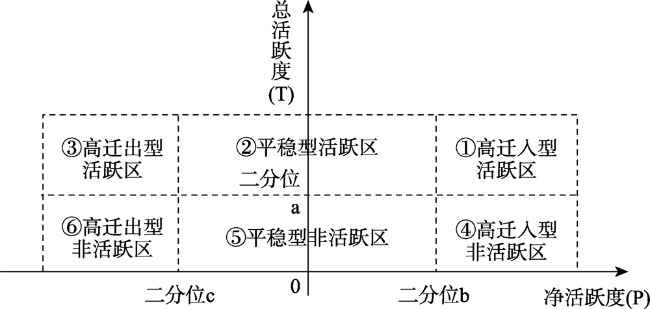
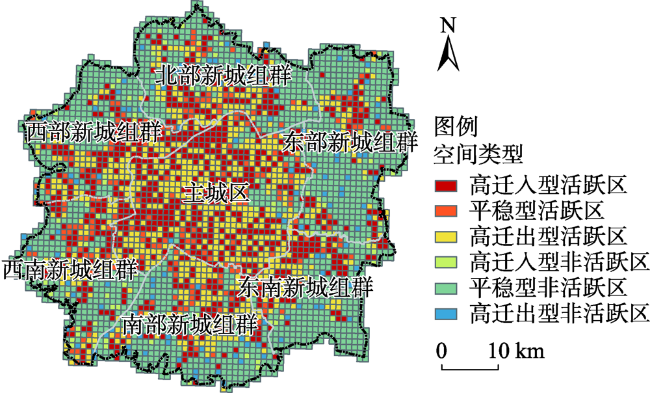
图6 基于居民迁居活跃度评价指标体系的空间类型划分Fig. 6 The divisions of spatial types based on the evaluation index system of relocation activity degree |
表1 基于迁居活跃度评价指标划分的空间类型数量及分布特征Tab. 1 The number and distribution characteristics of spatial types based on the evaluation index of relocation activity degree |
| 类型 | 近郊区 | 主城区 | 都市发展区内各类型网格单元数量 | 都市发展区内各类型 占比(%) | 空间分布 | |||
|---|---|---|---|---|---|---|---|---|
| 网格单元 数量 | 各类型占近 郊区网格 数比重(%) | 网格单元数量 | 各类型占 主城区网格 数比重(%) | |||||
| 高迁入型活跃区 | 480 | 17.65 | 306 | 39.38 | 786 | 22.48 | 呈现大分散小集中的分布态势,主城区和近郊区都有分布,且近郊区多于主城区 | |
| 平稳型活跃区 | 148 | 5.44 | 64 | 8.24 | 212 | 6.06 | 分布较分散,主城区边缘和近郊区内部点状分散分布 | |
| 高迁出型活跃区 | 418 | 15.37 | 333 | 42.86 | 751 | 21.48 | 分布较广,与高迁入型活跃区数量相近;老城区分布明显;整体呈集聚片状分布 | |
| 高迁入型非活跃区 | 87 | 3.20 | 5 | 0.64 | 92 | 2.63 | 主要分布在近郊区,且呈点状分布 | |
| 平稳型非活跃区 | 1460 | 53.70 | 61 | 7.85 | 1521 | 43.51 | 数量最多,主要分布在近郊区各组团的边缘 | |
| 高迁出型非活跃区 | 126 | 4.63 | 8 | 1.03 | 134 | 3.83 | 呈现出近郊区点状分散布局 | |
| 合计 | 2719 | 100.00 | 777 | 100.00 | 3496 | 100.00 | - | |
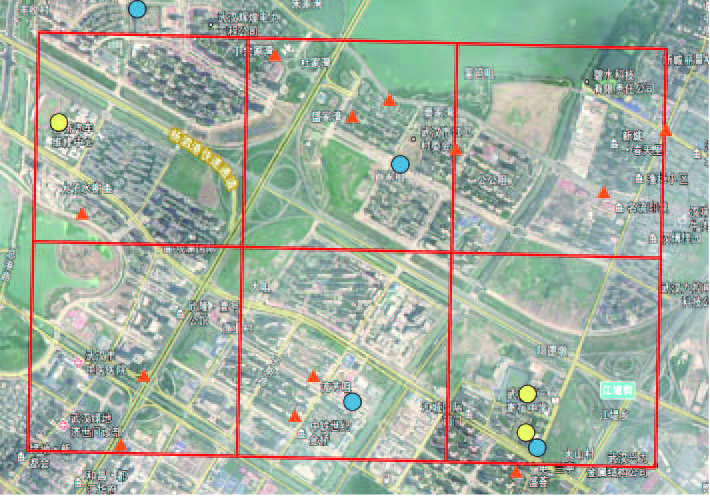
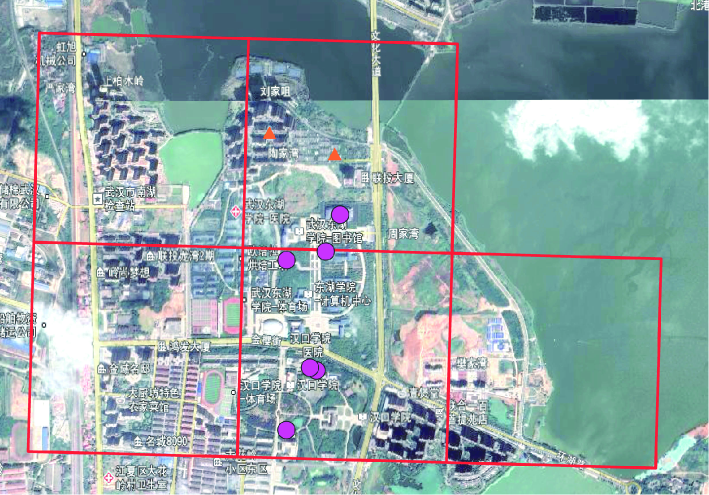
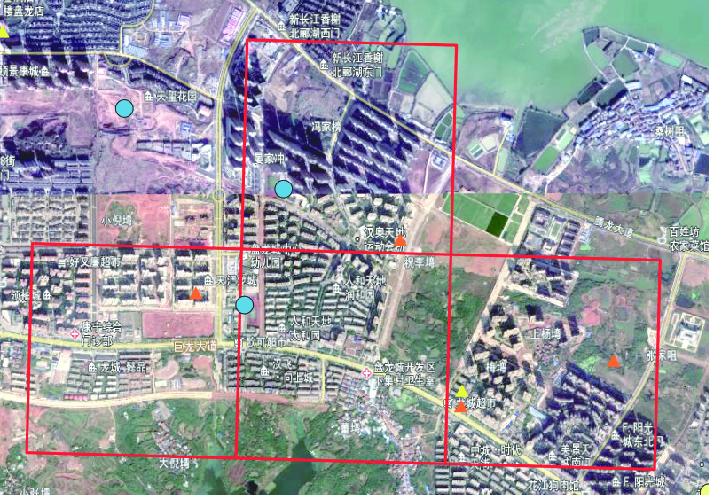
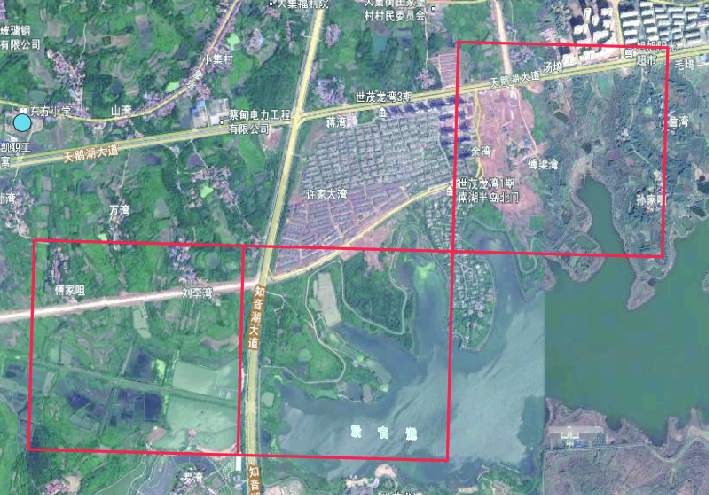
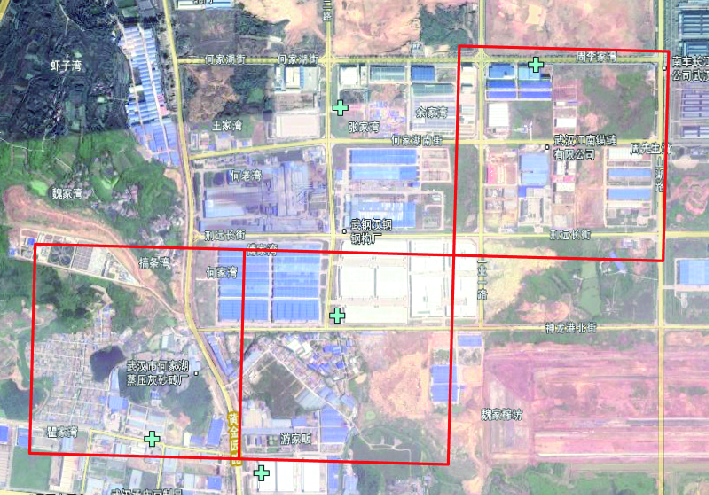
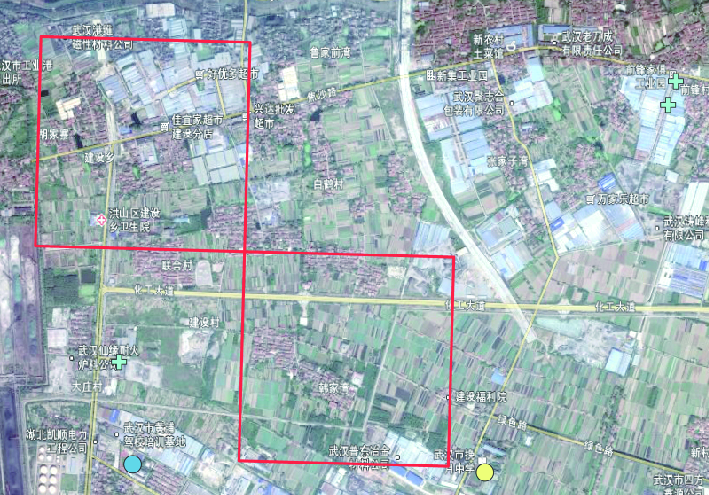
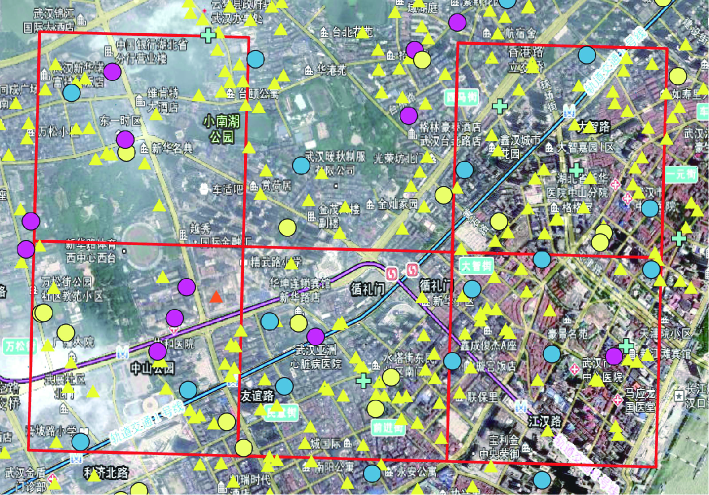
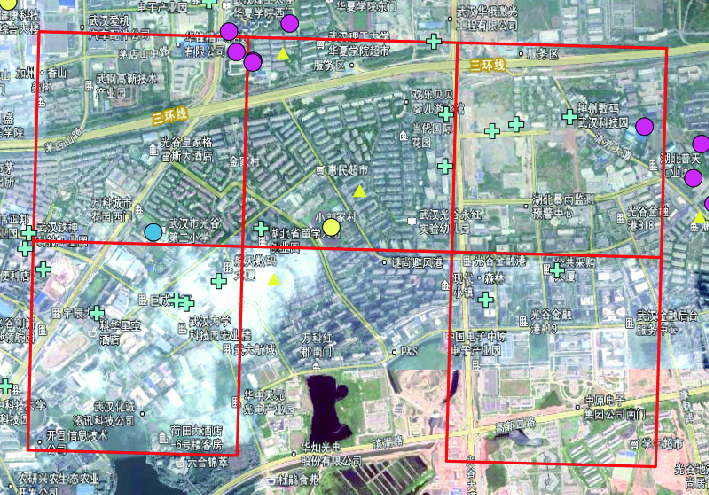
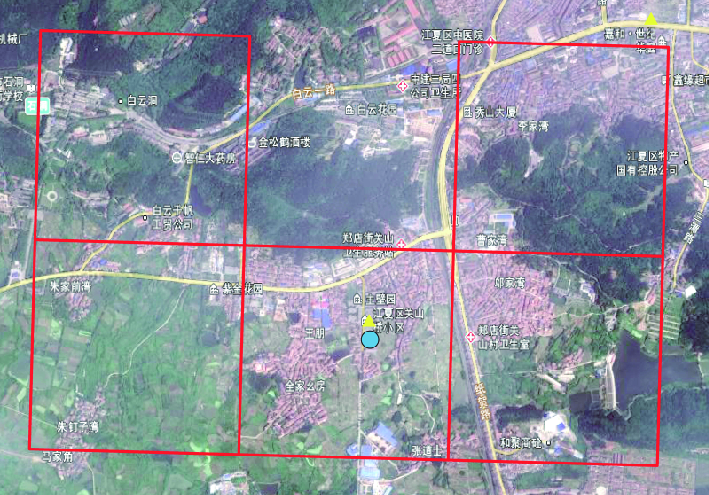
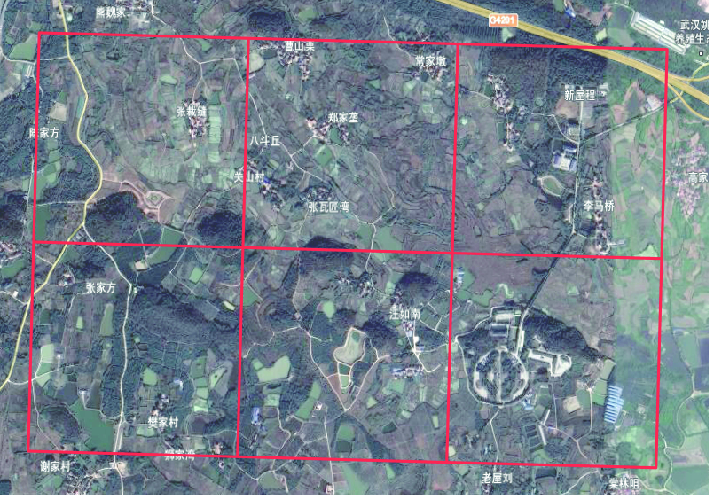
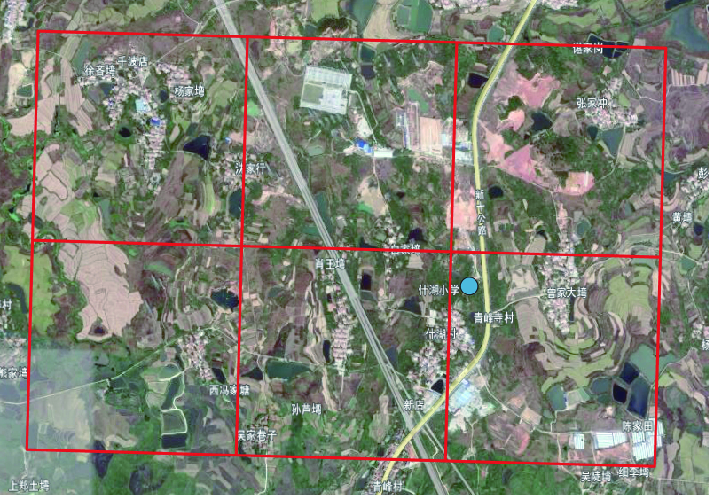
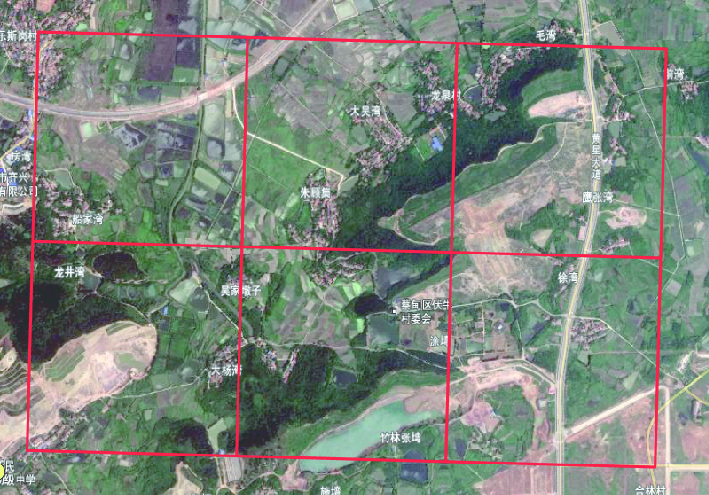
表2 各空间类型的居住类型特征Tab. 2 Residential type characteristics of each space category |
| 类型 | 典型区 | 居住类型 | ||
|---|---|---|---|---|
| 高迁入型活跃区 | a.高迁入活跃典型区一 | b.高迁入活跃典型区二 | c.高迁入活跃典型区三 | 新建小区、高校住区、学区房、城中村等 |
 |  |  | ||
| 平稳型活跃区 | d.平稳活跃典型区一 | e.平稳活跃典型区二 | f.平稳活跃典型区三 | 农村居住地、园区住房、城中村等 |
 |  |  | ||
| 高迁出型活跃区 | g.高迁出活跃典型区一 | h.高迁出活跃典型区二 | i.高迁出活跃典型区三 | 老旧小区、园区住房、城中村、农村居住地、学区房等 |
 |  |  | ||
| 非活跃区 | j.非活跃典型区一 | k.非活跃典型区二 | l.非活跃典型区三 | 农村居住地 |
 |  |  | ||
| 图例 |  | |||
注:城中村、农村居住地等类型基于高德POI数据、房源网小区数据、前瞻网产业园区点位数据等,结合影像图和实地调查识别得到。 |
真诚感谢匿名评审专家在论文评审中所付出的时间和精力,评审专家对本文数据可靠性提升、迁居特征解析、拓展深化领域等方面的修改意见,使本文获益匪浅!
| [1] |
何深静, 齐晓玲. 广州市三类社区居住满意度与迁居意愿研究. 地理科学, 2014, 34(11): 1327-1336.
[
|
| [2] |
王振坡, 员彦文, 程浩岩. 城市内部居住迁移空间特征及其影响机制研究: 基于天津市的微观调查数据. 城市发展研究, 2018, 25(4): 107-115.
[
|
| [3] |
周春山, 许学强. 西方国家城市人口迁居研究进展综述. 人文地理, 1996, 11(4): 23-27.
[
|
| [4] |
宋伟轩, 陈培阳, 胡咏嘉. 中西方城市内部居住迁移研究述评. 城市规划学刊, 2015, (5): 45-49.
[
|
| [5] |
刘云霞, 李晨光, 王亚平. 异质化的住宅与区位选择: 城市内部居住迁移模式. 城市发展研究, 2020, 27(6): 80-87, 97.
[
|
| [6] |
谭一洺, 柴彦威, 杨永春. 基于“推-拉”理论的城市少数民族居民迁居动因探讨. 南京社会科学, 2017, (3): 64-70, 80.
[
|
| [7] |
|
| [8] |
穆学英, 崔璨, 徐伟. 西方城市居住行为研究进展及其对中国的启示. 人文地理, 2020, 35(5): 8-17.
[
|
| [9] |
|
| [10] |
|
| [11] |
赵美风, 汪德根. 基于村域微尺度的人口流动类型空间分异及作用机理: 以云南玉龙县为例. 人文地理, 2021, 36(3): 148-156.
[
|
| [12] |
刘望保, 陈忠暖, 闫小培. 转型期广州市居住迁移的分阶段比较. 热带地理, 2009, 29(2): 123-128.
[
|
| [13] |
刘望保, 闫小培. 转型期广州市居住迁移影响因素于户籍之间的比较. 地理研究, 2007, 26(5): 1055-1066.
[
|
| [14] |
刘望保, 闫小培, 曹小曙. 广州城市内部居住迁移空间特征及其影响因素研究. 人文地理, 2007, 22(4): 27-32.
[
|
| [15] |
姚华松, 许学强, 薛德升. 广州流动人口特征及空间差异分析. 热带地理, 2008, (3): 259-264.
[
|
| [16] |
宋小冬, 杨钰颖, 钮心毅. 上海典型产业园区职工居住地、通勤距离的变化及影响机制. 城市发展研究, 2019, 26(12): 53-61.
[
|
| [17] |
吴中元, 许捍卫, 胡钟敏. 基于腾讯位置大数据的精细尺度人口空间化: 以南京市江宁区秣陵街道为例. 地理与地理信息科学, 2019, 35(6): 61-65.
[
|
| [18] |
王蓓, 王良, 刘艳华, 等. 基于手机信令数据的北京市职住空间分布格局及匹配特征. 地理科学进展, 2020, 39(12): 2028-2042.
[
|
| [19] |
何仲禹, 李岳昊. 基于开放数据的上海城市公园使用活跃度时空特征研究. 中国园林, 2020, 36(10): 45-50.
[
|
| [20] |
王宝强, 陈娴, 施澄. 基于多源数据的武汉市环城游憩空间特征解析. 中国园林, 2021, 37(6): 49-54.
[
|
| [21] |
古恒宇, 沈体雁. 1995-2015年中国省际人口迁移网络的演化特征: 基于异质性劳动力视角. 地理研究, 2021, 40(6): 1823-1839.
[
|
| [22] |
齐心, 鲁黛迪. 北京城市内部居住迁移的空间模式研究. 城市发展研究, 2012, 19(12): 16-21.
[
|
| [23] |
王德, 朱查松, 谢栋灿. 上海市居民就业地迁移研究: 基于手机信令数据的分析. 中国人口科学, 2016, (1): 80-89, 127.
[
|
| [24] |
刘盛和, 邓羽, 胡章. 中国流动人口地域类型的划分方法及空间分布特征. 地理学报, 2010, 65(10): 1187-1197.
[
|
| [25] |
刘望保, 闫小培, 曹小曙. 西方国家城市内部居住迁移研究综述. 地理科学, 2008, 28(1): 131-137.
[
|
/
| 〈 |
|
〉 |